
Overview Summary
- Drop-in replacements typically only works when airflow performance and mechanical dimensions match exactly.
- Small differences in CFM, static pressure, rotation, or materials can lead to noise, vibration, or premature failure.
- Bolt patterns, flange sizes, electrical needs, and base dimensions determine whether installation is fast or frustrating.
- Motor and control compatibility is essential to prevent rewiring, electrical upgrades and unexpected downtime.
- Clear drawings and documentation prevent on-site surprises and reduce install times.
- A reliable vendor ensures accuracy, speed, and system performance — not guesswork.
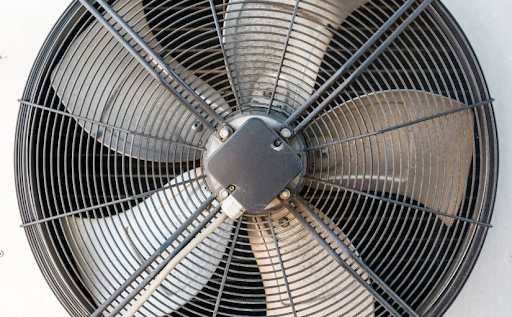 When a fan or blower fails, the clock starts ticking. Every minute of downtime affects production, maintenance schedules, and labor costs. That’s why teams often request a “drop-in replacement” — a unit that installs quickly, lines up perfectly, and gets the system running again with minimal disruption.
In practice, “plug-and-play” is only true when the replacement matches the original in every critical detail. Even small deviations can turn a fast repair into an unexpected complication.
Below we look at what actually determines whether a replacement fan is truly “drop-in” ready.
Matching the Performance Specs That Matter
A genuine plug-and-play replacement begins with duplicating the original fan’s performance curve, not just the nameplate CFM. The following characteristics must align precisely:
- CFM and static pressure
- Impeller type, size, rotation, and width
- Temperature rating and material construction
- Speed, brake horsepower, and RPM.
If any of these elements are off, even slightly, the result may include airflow imbalance, noise, vibration, or overheating. This is why a dependable supplier verifies the spec sheet, nameplate, and system requirements before proposing a replacement.
Flange Sizes and Bolt Patterns: The True Test of Drop-In Fit
Matching airflow is essential, but matching mechanical fit is what makes installation fast. A true drop-in replacement aligns with the existing footprint, meaning installers shouldn’t have to break out the drill press or torch.
Critical fit-up factors include:
- Identical inlet and outlet flange diameters
- Matching bolt hole patterns
- Correct shaft height for belt-drive systems
- Matching base or pedestal dimensions
When these dimensions line up exactly, a swap that could take half a day can instead be completed in a single break.
Motor and Controls Compatibility
Even with perfect airflow and fit-up, a mismatch in motor type can bring operations to a halt. Before installation day, confirm:
- Voltage, phase, and motor frame
- Compatibility with existing VFDs
- Required ratings (explosion-proof, washdown-duty, etc.)
- Full-load amps and service factor
Older facilities are particularly susceptible to compatibility issues. A replacement that “should” work may require panel rewiring if the wrong motor variation arrives. Plug-and-play only works when the motor is ready to integrate with the existing electrical system.
Documentation That Keeps Crews Out of Troubleshooting Mode
Even the best drop-in replacement becomes difficult when crews lack the right information. Look for suppliers who provide:
- Dimensional drawings
- Installation instructions
- Performance curves
- Material and component specifications
- Maintenance guidance
- Serial/Order No.
- Manufacturer
This level of documentation allows teams to plan ahead, verify clearances, and avoid surprises once the unit is uncrated.
Why Accuracy Protects Your Production Schedule
A true drop-in replacement doesn’t just save minutes during install, it prevents ripple effects across operations. A well-matched replacement:
- Reduces installation time
- Prevents duct or base modifications
- Eliminates rework
- Cuts unplanned downtime
- Extends the service life of the system
When production is at risk, accuracy and responsiveness become just as important as the equipment itself.
J.E. Phillips Co., Inc. Supports Drop-In Accuracy
J.E. Phillips Co., Inc. helps maintenance teams, OEM’s, engineers, and contractors reduce downtime by supplying:
- Centrifugal and axial fans engineered to match original dimensions of replacement units – if made by the same manufacturer as existing
- Corrosion-resistant options for scrubbers, wastewater, and chemical processes
- Fast access to manufacturer drawings and specifications
- Guidance on matching motors, VFD requirements, and control compatibility
- Local support to verify bolt patterns, flange sizes, and installation details
With decades of experience in industrial fan replacement and system integration, the J.E. Phillips Co., Inc. team helps ensure replacements arrive ready to install, without guesswork and without costly delays.
Contact us to review your specs, compare drawings, or evaluate a replacement option before it reaches your loading dock. A few minutes of review can prevent hours of downtime.