Key Takeaways
- Rail ventilation systems support far more than passenger comfort, including motor cooling, electrical reliability, smoke control, and equipment protection.
- Poor airflow can quietly increase maintenance costs long before a major failure occurs.
- Subway and locomotive environments expose fans, louvers, and dampers to extreme heat, vibration, dust, and corrosive contaminants.
- Ventilation failures can lead to overheating, reduced efficiency, safety risks, and service disruptions.
- Proper fan, louver, and damper selection depends heavily on the application, including pressure requirements, airflow volume, and environmental conditions.
- Proactive inspections and airflow monitoring help maintenance teams prevent costly downtime.
 When rail operators think about fleet reliability, ventilation systems rarely receive the same attention as traction motors, braking systems, propulsion controls, or signaling equipment. This can be a costly oversight.
Whether in a freight locomotive, commuter rail vehicle, or underground subway system, airflow plays a direct role in equipment reliability, safety, regulatory compliance, and operational uptime. Ventilation systems, including fans, louvers, and dampers, help protect heat-sensitive components, maintain air quality, and ensure critical systems continue performing under demanding conditions.
When airflow performance declines, the consequences often extend far beyond uncomfortable temperatures.
Why Rail Ventilation Systems Matter More Than Many Realize
Ventilation in rail applications is often associated with heating and air conditioning, but maintenance teams understand the bigger picture.
Rail ventilation systems commonly support:
- Traction motor cooling
- Electrical cabinet cooling
- Engine compartment ventilation
- Battery room ventilation
- Passenger HVAC
- Brake resistor cooling
- Tunnel ventilation systems
- Emergency smoke control
- Station air movement
Each of these applications depends on reliable equipment performance. If airflow drops below design requirements, equipment temperatures rise, efficiency suffers, and maintenance demands increase. In many cases, the earliest warning signs appear gradually, making airflow issues easy to miss.
Subway Ventilation Challenges in Confined Underground Systems
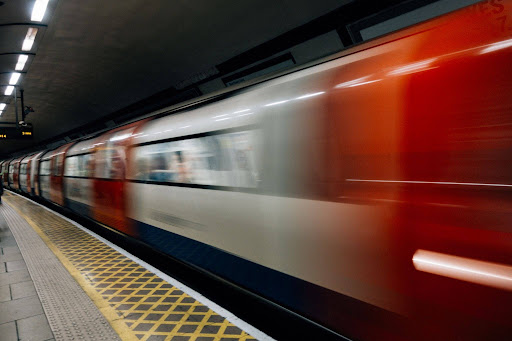
Subway systems present some of the most demanding ventilation conditions in transportation infrastructure. Unlike open industrial environments, underground transit systems operate in enclosed spaces where heat, dust, and contaminants accumulate continuously. Every train moving through a tunnel acts like a piston, forcing air through stations, shafts, and tunnels. In these systems, louvers and dampers play a central role in directing, throttling, and isolating airflow across the network.
As ridership increases and service frequency rises, ventilation systems face growing pressure to manage:
- Tunnel heat buildup
- Brake dust accumulation
- Air quality concerns
- Equipment cooling loads
- Passenger comfort
- Emergency smoke evacuation
Ventilation systems often serve as the barrier between stable operations and major service disruptions. Without adequate airflow, and without properly functioning louvers and dampers to control it, underground environments can quickly become hazardous for both equipment and passengers.
Traction Motor Cooling and Heat Management
Traction motors generate substantial heat during normal operation. Whether a diesel locomotive is hauling freight across long distances or a subway train is accelerating and braking repeatedly throughout the day, thermal loads remain significant.
Cooling fans help:
- Protect motor windings
- Prevent overheating
- Extend motor life
- Maintain operating efficiency
- Reduce thermal stress on components
When airflow declines due to fan wear, clogging, blocked louvers, or mechanical failure, maintenance costs often begin rising before the root cause is identified.
Common warning signs include:
- Elevated operating temperatures
- Frequent thermal alarms
- Increased maintenance intervals
- Reduced motor efficiency
- Unexpected component failures
In many cases, the motor itself is not the primary problem. The real issue is insufficient airflow.
Electrical Cabinet Cooling Is Now a Reliability Requirement
Modern locomotives and transit vehicles rely heavily on power electronics and control systems. These systems manage:
- Propulsion controls
- Braking systems
- Communications
- Passenger information systems
- Safety systems
All of these components generate heat. Without proper ventilation, including intake louvers and regulating dampers that keep airflow on target:
- Electronics degrade faster
- Reliability decreases
- Failure rates increase
- Downtime becomes more frequent
As rail systems become more technologically advanced, cooling performance becomes increasingly tied to overall fleet reliability.
Poor airflow can now create failures that affect mission-critical electronics, not just mechanical equipment.
Tunnel Ventilation and Emergency Smoke Control
Tunnel ventilation is one of the most critical safety systems in underground transit.
These systems are responsible for:
- Removing excess heat
- Managing smoke during emergencies
- Improving air quality
- Supporting evacuation procedures
- Maintaining safe operating conditions
This typically requires large industrial fan systems, working alongside heavy-duty louvers and smoke control dampers, capable of moving massive air volumes under harsh operating conditions. When upgrades or replacements are required, selection becomes an engineering decision with major safety implications. The wrong airflow profile can compromise both emergency response and day-to-day operations.
Dust, Debris, and Corrosive Contaminants: The Hidden Threat
Rail environments are harsh on rotating equipment. Ventilation systems are regularly exposed to:
- Brake dust
- Metal particulates
- Track debris
- Tunnel dust
- Moisture
- Corrosive contaminants
Over time, buildup can cause:
- Reduced airflow
- Fan imbalance
- Increased vibration
- Bearing wear
- Higher energy consumption
What starts as a maintenance issue can quickly become a system reliability problem. This is especially important in corrosive or moisture-heavy environments, where component materials and construction become critical to service life.
Choosing the Right Fan for Rail Ventilation Applications
Not all ventilation applications require the same fan design. Different rail systems demand different airflow characteristics, and the supporting louvers and dampers must be matched to each application as well.
Tunnel Ventilation Fans
Typically require:
- High-volume airflow
- Emergency smoke control capability
- Long service life under continuous operation
Traction Motor Cooling Fans
Typically require:
- High-pressure airflow
- Reliable cooling under vibration
- Consistent performance in dirty environments
Passenger HVAC Fans
Typically require:
- Quiet operation
- Energy efficiency
- Stable airflow performance
Equipment Cooling Fans
Typically require:
- Precise airflow delivery
- Compact footprints
- Continuous-duty reliability
Selecting the wrong fan, louver, or damper can lead to performance problems that affect far more than ventilation alone.
That is why application-specific engineering matters.
What Rail Maintenance Teams Should Monitor
Preventive inspections can identify airflow issues months before failure. Maintenance teams should routinely evaluate the following:
Fan Assemblies
- Blade condition
- Corrosion
- Fasteners
- Balance
Bearings
- Temperature trends
- Lubrication condition
- Vibration levels
Airflow Performance
- Restricted intakes
- Dirty filters
- Blocked ductwork
- Damaged louvers and dampers
Motors
- Amp draw
- Operating temperature
- Startup performance
These checks can help prevent unplanned downtime and improve lifecycle performance.
How J.E. Phillips Co., Inc. Supports Critical Ventilation Applications
For facilities and transit systems managing demanding airflow challenges, equipment selection is not just about moving air. It is about reliability, durability, and long-term performance.
J.E. Phillips Co., Inc. helps customers specify and source industrial fan solutions for challenging applications, including corrosive, high-dust, and high-temperature environments. Whether the need involves replacement fans, louvers, and dampers, custom-engineered airflow solutions, or corrosion-resistant fiberglass fan systems, technical expertise matters. Selecting the components can reduce downtime, improve efficiency, and protect critical infrastructure.
If you are evaluating replacements, airflow upgrades, or specialized ventilation systems for demanding industrial or transportation applications, contact JEPCO to discuss the right solution for your system.