
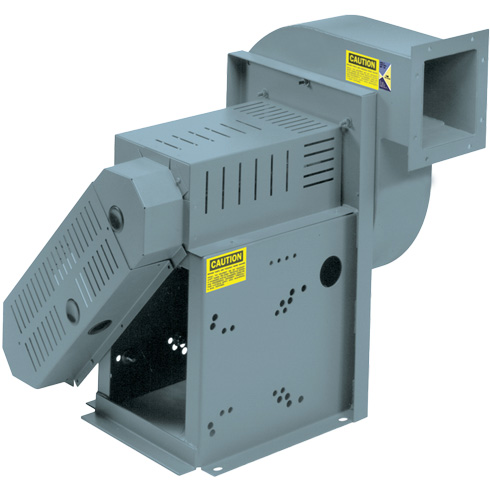
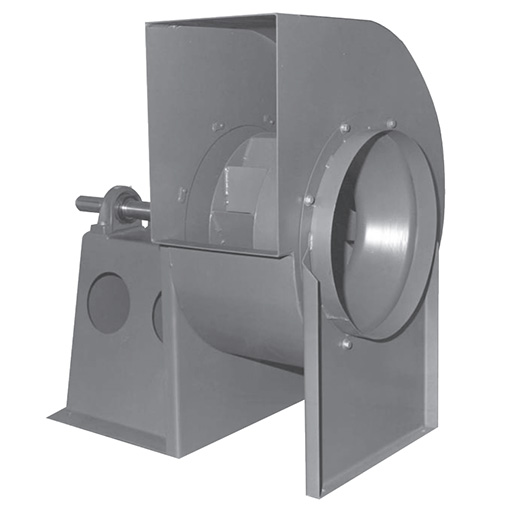
Belt Drive Fans for Industrial Manufacturing Operations
Managing airflow systems in industrial manufacturing requires reliable, efficient solutions that integrate seamlessly with existing operations without causing production disruptions. J.E. Phillips Co., Inc. (JEPCO’s) manufacturer built belt drive fans provide significant competitive advantage through enhanced operational flexibility, and great performance capabilities without needing to use a VFD.
Key Benefits: Enhanced operational control through variable speed capabilities, seamless integration with existing systems, proven reliability in demanding manufacturing environments.
- CFM: capacities up to 800,000 CFM
- Static Pressure: up to 78″
- Temp Range: up to ~2,200 F
- Fan Size: 12″ to 60″
- Belt Drive, Direct Drive
- Material Type: Steel, 304 SST, 316 SST, Alum, Marine, Fiberglass
- HARTZELL
- CINCINNATI FAN
- IAP
- PDF DOWNLOADS
| Model | Type | Material | Airflow | Static Pressure |
|---|---|---|---|---|
| Series 03 | Centrifugal, Backward Inclined, Backward Curved, Airfoil | Steel, Stainless Steel, AMCA A, AMCA B, AMCA C | Up to 169,500 CFM | Up to 20” WG |
| Series 05 (F) | Industrial Exhauster, Centrifugal, Backward Inclined | Carbon Steel, Aluminum, Stainless Steel, AMCA A, AMCA B, AMCA C | Up to 88,000 CFM | Up to 46” WG |
| Series 10 R,S | Propeller Fan & Wall Ventilator, Low Speed, High Speed Ring Fan | Steel, Stainless Steel, Aluminum | Up to 327,000 CFM | Up to 0.625” WG |
| Series 07 | Pressure Blower, Radial Centrifugal | Steel, Stainless Steel, AMCA B | Up to 1,600 CFM | Up to 14” WG |
| Series 07T | Turbo Pressure Blower, Centrifugal | Steel, Stainless Steel, AMCA A, AMCA B | Up to 5,250 CFM | Up to 60” WG |
| Series 08/09 | Belted Ring Fan, Standard and Reverse Prop | Steel, Stainless Steel, Aluminum | Up to 95,000 CFM | Up to 1.5” WG |
| Series 10 | Belted High Volume Ring Fan, Standard and Reverse Prop Fan | Steel, Stainless Steel, Aluminum | Up to 327,000 CFM | Up to 0.625” WG |
| Series 12 | Plug Fan, Backward Curve | Steel, Stainless Steel, AMCA A, AMCA B | Up to 327,000 CFM | Up to 0.625” WG |
| Series 13 | Backward Curved Centrifugal Fan, Double Width | Steel, Stainless Steel, Aluminum | Up to 186,000 CFM | Up to 14” WG |
| Series 14 (B) | Reversible Ring Fan | Steel, Stainless Steel, Aluminum | Up to 50,000 CFM | Up to 1” WG |
| Series 16 (E,F,I) | Hooded Roof Ventilator, Exhaust, Intake, Filter Intake | Steel, Stainless Steel, Aluminum | Up to 131,000 CFM | Up to 0.5” WG |
Please contact us for details on our full backward curved fan selection, additional models are available!
| Model | Type | Material | Airflow | Static Pressure |
|---|---|---|---|---|
| Model HDBI | Backward Inclined Centrifugal Fan | Carbon Steel, Stainless Steel, Aluminum | 500 to 80,000 CFM | Up to 12 in. WG |
| Model RBE | Radial Blade Centrifugal Fan | Carbon Steel, Stainless Steel | 200 to 45,000 CFM | Up to 15 in. WG |
| Model HDAF | Airfoil Centrifugal Fan | Carbon Steel, Stainless Steel, Aluminum | 1,000 to 100,000 CFM | Up to 14 in. WG |
| Model SQBI | Backward Inclined Square Fan | Carbon Steel, Stainless Steel, Aluminum | 700 to 85,000 CFM | Up to 10 in. WG |
| Model SQAF | Airfoil Square Fan | Carbon Steel, Stainless Steel, Aluminum | 800 to 90,000 CFM | Up to 12 in. WG |
| Model CPF | Backward Inclined Plug Fan | Carbon Steel, Stainless Steel, Aluminum | 500 to 70,000 CFM | Up to 8 in. WG |
| Model CPAF | Airfoil Plug Fan | Carbon Steel, Stainless Steel, Aluminum | 600 to 75,000 CFM | Up to 9 in. WG |
| Model PB | Cast Aluminum Pressure Blower | Cast Aluminum | 300 to 22,000 CFM | Up to 22 in. WG |
| Model PBS | Fabricated Steel Pressure Blower | Fabricated Steel | 400 to 30,000 CFM | Up to 24 in. WG |
| Model SPB | Die-Formed Steel Pressure Blower | Die-Formed Steel | 350 to 25,000 CFM | Up to 20 in. WG |
| Model HP-I | High Pressure Blower | Carbon Steel, Stainless Steel, Aluminum | 200 to 40,000 CFM | Up to 30 in. WG |
| Model HP-II | High Pressure Blower | Carbon Steel, Stainless Steel, Aluminum | 250 to 50,000 CFM | Up to 35 in. WG |
| Model LM & LMF | Volume Fan, Belt Drive | Carbon Steel, Stainless Steel, Aluminum | 500 to 65,000 CFM | Up to 10 in. WG |
| Model BAF | Belt Driven Tube Axial Fan | Carbon Steel, Stainless Steel, Aluminum | 700 to 75,000 CFM | Up to 8 in. WG |
| Model TAF | Belt Driven Tube Axial Duct Fan | Carbon Steel, Stainless Steel, Aluminum | 800 to 80,000 CFM | Up to 9 in. WG |
Please contact us for details on our full backward curved fan selection, additional models are available!
| Model | Type | Material | Airflow | Static Pressure |
|---|---|---|---|---|
| Type B Fan | Backward Inclined Centrifugal Fan | Carbon Steel, Stainless Steel, Aluminum | 800 to 85,000 CFM | Up to 10 in. WG |
| Type XBC | Backward Curved Centrifugal Fan | Carbon Steel, Stainless Steel, Aluminum | 1,000 to 90,000 CFM | Up to 12 in. WG |
| Type A | Airfoil Centrifugal Fan | Carbon Steel, Stainless Steel, Aluminum | 1,200 to 95,000 CFM | Up to 14 in. WG |
| Type ORB | Radial Blade Centrifugal Fan | Carbon Steel, Stainless Steel, Aluminum | 500 to 75,000 CFM | Up to 18 in. WG |
| Type P | Radial Tip Centrifugal Fan | Carbon Steel, Stainless Steel, Aluminum | 700 to 80,000 CFM | Up to 16 in. WG |
| Type WT | Wool Trip Centrifugal Fan | Carbon Steel, Stainless Steel, Aluminum | 800 to 85,000 CFM | Up to 15 in. WG |
| Type XRT | Radial Tip Centrifugal Fan | Carbon Steel, Stainless Steel, Aluminum | 900 to 100,000 CFM | Up to 17 in. WG |
| Type HP | High Pressure Centrifugal Fan | Carbon Steel, Stainless Steel, Aluminum | 500 to 50,000 CFM | Up to 22 in. WG |
| Type HPB | High Pressure Blower | Carbon Steel, Stainless Steel, Aluminum | 300 to 35,000 CFM | Up to 24 in. WG |
| Type F | Forward Curved | Carbon Steel, Stainless Steel, Aluminum | 600 to 75,000 CFM | Up to 8 in. WG |
| Type ICA | Inline Centrifugal Fan | Carbon Steel, Stainless Steel, Aluminum | 1,000 to 85,000 CFM | Up to 10 in. WG |
Please contact us for details on our full backward curved fan selection, additional models are available!
How Do Belt Drive Fans Provide Competitive Advantage in Manufacturing?
Belt drive technology delivers operational advantages that direct drive systems cannot match. The belt coupling system allows for precise speed control and torque adjustment, enabling manufacturing facilities to optimize airflow based on real-time production requirements. This flexibility translates into measurable energy savings during low-demand periods and enhanced performance during peak operations.
Manufacturing operations benefit from the inherent vibration dampening characteristics of belt drive systems, which extends equipment life and reduces facility noise levels. The belt assembly also provides overload protection, preventing costly motor damage during system stress events that commonly occur in industrial environments.
Operational Advantages:
- Variable speed control for energy optimization during different production cycles
- Enhanced vibration dampening reduces facility noise and equipment wear
- Overload protection prevents costly motor replacement during stress events
- Superior integration flexibility with existing HVAC control systems
What Integration Requirements Should Manufacturing Teams Consider?
Belt drive fans integrate effectively with existing manufacturing HVAC systems through standard motor mounting configurations and control interfaces. The flexibility of belt drive ratios allows facilities to optimize performance without replacing existing ductwork or control systems.
Installation planning requires minimal production disruption when proper sequencing is followed. Most installations can be completed during scheduled maintenance windows, avoiding unexpected downtime that impacts manufacturing schedules.
Integration Specifications:
- Standard NEMA motor mounting for compatibility with existing infrastructure
- Multiple belt ratio options accommodate various operational requirements
- Compatible with existing variable frequency drives and control systems
- Flexible mounting orientations suit space-constrained manufacturing environments
How Do These Fans Perform in Demanding Manufacturing Conditions?
Manufacturing environments demand reliable performance under varying load conditions, temperature fluctuations, and continuous operation schedules. Belt drive fans excel in these conditions through robust construction and proven component reliability.
The belt drive configuration handles varying loads more effectively than direct drive alternatives, maintaining consistent performance even when upstream or downstream conditions change. This stability is critical for manufacturing processes that require consistent airflow for quality control or safety compliance.
Performance Characteristics:
- Static pressure capabilities from 0WG up to 70WG handle demanding system requirements
- Temperature range capabilities accommodate various manufacturing processes
- Multiple material options including stainless steel and fiberglass for corrosive environments
- Airflow ranges from small specialty applications to large industrial volumes
What Maintenance and Operational Considerations Apply?
Maintenance planning for belt drive fans requires understanding the predictable wear patterns and replacement schedules that manufacturing teams can integrate into existing preventive maintenance programs. Belt replacement can be scheduled and completed quickly, minimizing unplanned downtime.
Operational costs include belt replacement intervals, which are predictable and cost-effective compared to motor replacement requirements in direct drive systems. The belt assembly acts as a protective coupling, often preventing more expensive downstream component failures.
Maintenance Requirements:
- Scheduled belt inspection and replacement intervals
- Standard bearing lubrication following manufacturer recommendations
- Motor maintenance follows standard industrial motor practices
- Alignment verification during scheduled maintenance windows
What Delivery and Support Can Manufacturing Facilities Expect?
Standard configurations typically ship within established lead times, allowing manufacturing teams to plan installations around production schedules. Custom configurations require additional engineering time, but most applications use standard designs that maintain consistent delivery schedules.
Technical support includes application engineering, installation guidance, and commissioning assistance. Support continues through operational phases to ensure optimal performance and address any integration challenges that arise during implementation.
Support Structure:
- Application engineering for proper specification and sizing
- Installation guidance to minimize production disruption
- Commissioning assistance for performance verification
- Ongoing technical support for operational optimization
Case Study: Manufacturing Facility Airflow Optimization
A mid-sized manufacturing facility in California upgraded their exhaust system with belt drive fans to address variable production demands and energy cost concerns. The belt drive configuration allowed operators to adjust airflow based on production schedules, reducing energy consumption during low-demand periods while maintaining required performance during peak operations.
The installation integrated with existing control systems without requiring control panel modifications. Maintenance scheduling aligned with existing preventive maintenance programs, and the facility reported improved operational flexibility and reduced energy costs within the first operating year.
Strategic Implementation Planning
Phase 1: Assessment and Specification Technical evaluation includes airflow requirements, integration points with existing systems, and maintenance scheduling alignment. Proper specification ensures optimal performance and straightforward installation.
Phase 2: Installation Coordination Installation planning coordinates with production schedules to minimize operational disruption. Standard mounting configurations and electrical connections simplify the installation process.
Phase 3: Performance Verification Commissioning includes performance verification, control system integration testing, and maintenance schedule establishment to ensure long-term operational success.
Frequently Asked Questions
How do belt drive fans compare to direct drive systems for manufacturing applications?
Belt drive systems provide superior operational flexibility through variable speed capabilities and enhanced protection for motor components. The belt coupling dampens vibrations and provides overload protection that direct drive systems cannot offer.
How do these fans integrate with existing facility control systems?
Belt drive fans work with standard industrial motor controls and variable frequency drives. The motor selection accommodates existing electrical infrastructure and control interfaces.
What compliance standards apply to manufacturing installations?
Fans meet applicable industrial standards for safety and performance. Material selections accommodate specific environmental requirements including corrosive conditions and safety classifications.
What are the typical maintenance intervals and costs?
Belt replacement follows predictable schedules that integrate with existing preventive maintenance programs. Costs are significantly lower than motor replacement requirements in direct drive systems.
How do you ensure minimal production disruption during installation?
Installation planning coordinates with production schedules, and most configurations can be installed during scheduled maintenance windows using standard mounting and electrical connections.
Get the Air Movement Solutions You Need
Manufacturing operations require reliable partners who understand the integration challenges and operational demands of industrial environments. Connect with our team to discuss your specific airflow requirements and integration considerations for a solution that enhances your operations.